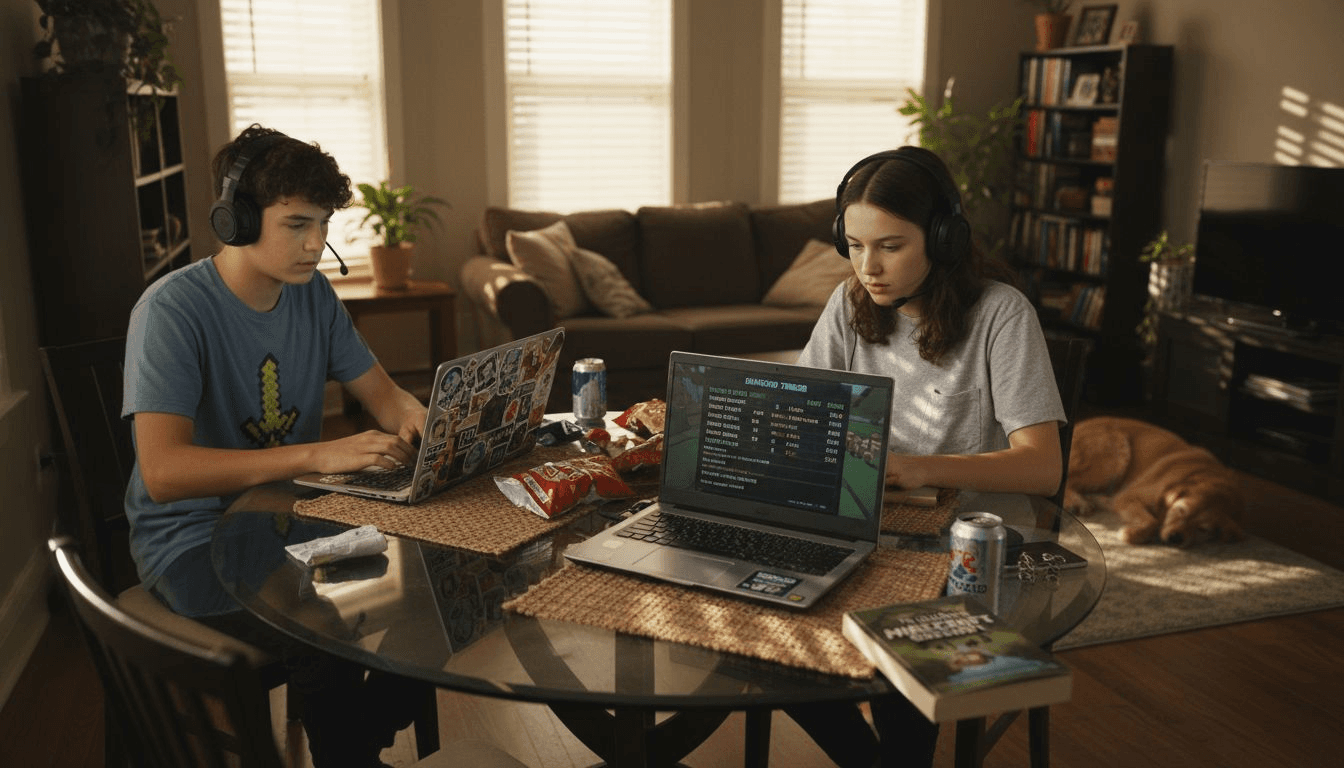
Minecraft doesn't include a universal currency by default. Every coin, credit, or token you earn on a multiplayer server comes from custom plugins created by that community. Understanding how these server-specific economies work transforms your gameplay experience, enabling safe trades, protecting builds, and unlocking community features that vanilla Minecraft never offered.
Table of Contents
- Understanding In-Game Currency In Minecraft
- How Players Earn And Use In-Game Currency
- Common Misconceptions About Minecraft In-Game Currency
- Comparing Currency Systems Across Minecraft Servers
- How In-Game Currency Enhances Safe Building And Anti-Griefing
- Case Study: In-Game Currency In Gaia Legends Minecraft Server
- Practical Tips For Engaging With Minecraft In-Game Currency
- Join The Thriving Economy Of Gaia Legends Minecraft Server
- Frequently Asked Questions About Minecraft In-Game Currency
Key takeaways
| Point | Details |
|---|---|
| Server-specific currency | In-game currency is created by server plugins, not Minecraft's base game. |
| Enables safe building | Currency-based insurance reduces griefing by 90% through staking systems. |
| Drives player engagement | Economy systems boost social interactions by 25% through trading and shops. |
| Unique per server | Each multiplayer server uses custom currency names, rules, and economy mechanics. |
| Unlocks progression | Currency purchases gear, ranks, and protections that accelerate your multiplayer journey. |
Understanding in-game currency in Minecraft
In-game currency represents a virtual medium of exchange created and managed by multiplayer servers. Vanilla Minecraft lacks any financial or trading system. When you join servers like Gaia Legends, you're entering custom economies where 100% of multiplayer currencies are generated and managed by server plugins, not the official game.
Currency facilitates everything from player shops to rank upgrades. It creates structure where base game mechanics end, transforming chaotic multiplayer environments into organized communities. Economy plugins track balances, process transactions, and enforce rules that make trading between strangers safe and predictable.
Key features define server currencies:
- Virtual and server-managed with persistent balances
- Medium of exchange for goods, services, and protections
- Economy enabler supporting shops, auctions, and progression systems
- Social catalyst encouraging player interaction and community building
- Customizable by administrators to match server themes and goals
Each server designs its economy system around specific gameplay goals. Some emphasize survival challenges with scarce currency, while others create abundant economies focused on creativity and social interaction.
How players earn and use in-game currency
Earning currency happens through diverse activities that reward engagement. Completing quests provides structured payouts for achieving specific goals. Jobs assign value to routine activities like mining or farming, paying you for work that benefits the server economy. Trading with other players creates peer transactions where both parties exchange items or services for agreed currency amounts.
Voting rewards incentivize promoting the server. Most communities offer daily currency bonuses when you vote on server listing sites. Events like building competitions or treasure hunts provide larger payouts that encourage participation. Servers with active economy systems see a 25% increase in player social interactions because currency creates reasons to connect.
Spending opportunities shape your gameplay experience:
- Player shops sell resources, tools, and custom items
- Auctions enable competitive bidding on rare gear
- Exclusive equipment with special effects enhances combat or building
- Rank upgrades unlock commands, perks, and status
- Land claims and protections safeguard your builds
Pro Tip: Focus on quests and jobs during your first week on any new server to build capital quickly. Early currency accumulation lets you purchase protections before investing time in major builds.
The cyclical benefit compounds over time. Currency buys tools that help you earn more currency faster. Purchasing better equipment enables tackling harder quests with bigger rewards. This progression loop keeps players engaged and climbing through server ranks.
Common misconceptions about Minecraft in-game currency
Three major myths confuse players exploring multiplayer servers. Recognizing these errors helps you navigate diverse communities with realistic expectations.
-
Minecraft includes universal currency by default. The base game contains no financial system whatsoever. Every currency you encounter exists only because server administrators installed and configured economy plugins. This fundamental truth explains why currencies function differently across servers.
-
In-game currency equals real money. Virtual currencies rarely convert to actual cash. Server economies operate as closed systems where currency has value only within that community. Most servers explicitly prohibit real-world trading to maintain fair play and comply with Minecraft's terms of service.
-
All servers use identical currency systems. Each multiplayer community implements unique economies tailored to their themes and goals. Currency names, earning rates, and spending options vary dramatically. What works on one server might not exist on another.
These misconceptions persist because players assume consistency across Minecraft experiences. The game's flexibility allows infinite customization, making every server potentially unique. Research each community's economy system before committing significant time to avoid frustration.
Comparing currency systems across Minecraft servers
Understanding differences between official Minecraft and custom servers clarifies what economies enable. This comparison shows why multiplayer communities invest in currency systems.
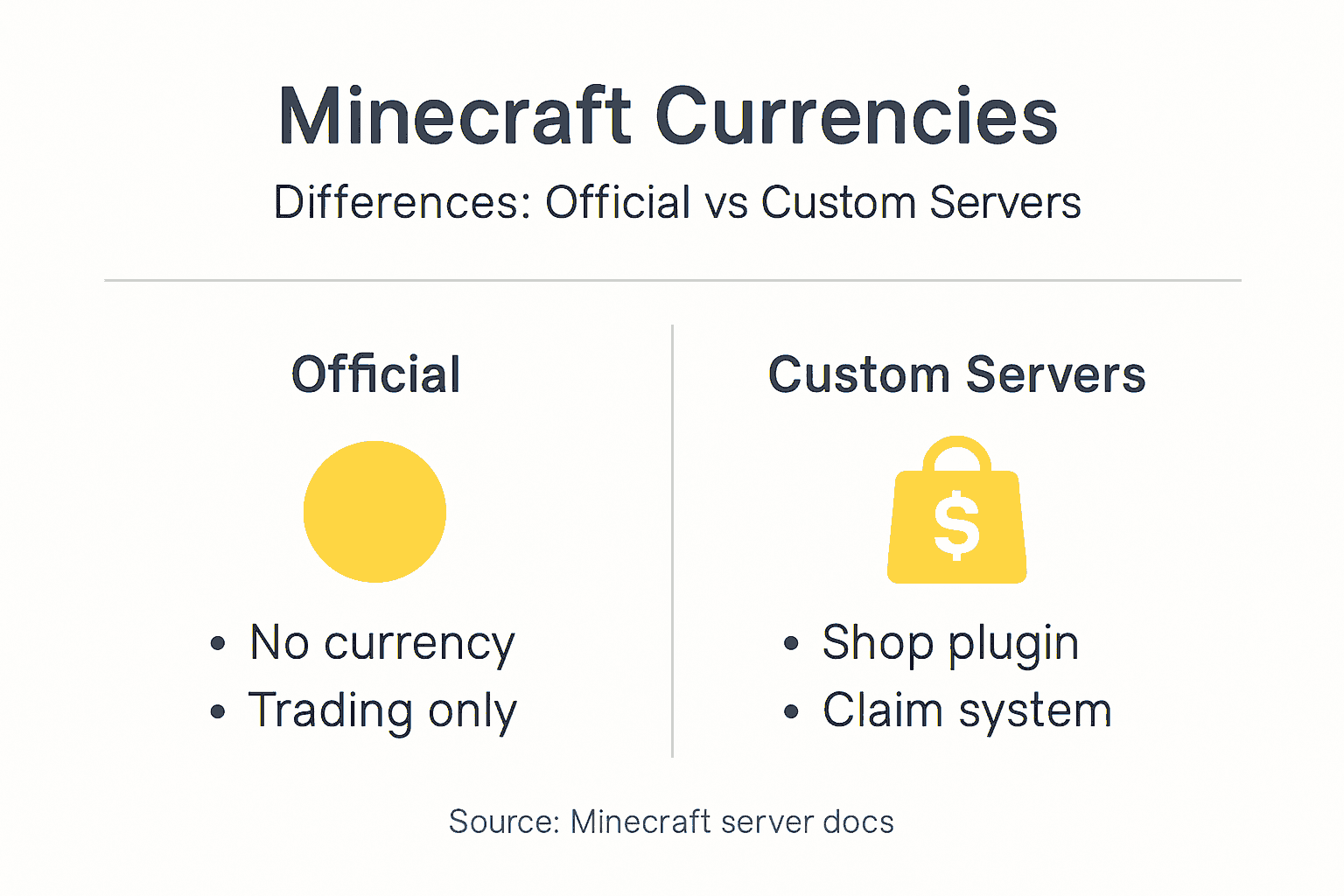
| Feature | Official Minecraft | Custom Server Economies |
|---|---|---|
| Built-in currency | None | Server-specific virtual currencies |
| Trading system | Manual item exchange | Shops, auctions, automated transactions |
| Player progression | Experience levels only | Jobs, ranks, economic advancement |
| Build protection | None | Currency-purchased land claims |
| Social incentives | Minimal | Economy-driven events and trading |
Custom currency names reflect server themes. Fantasy servers might use gold coins or gems. Sci-fi communities prefer credits or energy units. Gaia Legends implements a comprehensive currency integrated with every server feature from quests to protections.
Popular currency types include:
- Token-based systems with fixed exchange rates
- Resource-backed currencies tied to valuable materials
- Time-based earnings rewarding active playtime
- Achievement currencies unlocked through milestones
- Hybrid systems combining multiple earning methods
Knowing these differences helps you adapt quickly when exploring new communities. Successful players research economy mechanics before diving into complex trading or expensive purchases. Each server's unique approach creates distinct gameplay experiences within the same base game.
How in-game currency enhances safe building and anti-griefing
Currency integration with protection plugins creates powerful security systems. Traditional whitelist or permission approaches struggle with large, open communities. Economy-based solutions let anyone join while maintaining security through financial accountability.

Implementing economy-based anti-griefing systems can reduce griefing incidents by up to 90% by requiring players to invest currency in protections. This investment creates consequences for destructive behavior. Players who grief lose their currency stakes and protective claims.
Protection mechanisms work through several methods:
- Land claim purchases where currency buys protected zones
- Insurance payments providing rollback guarantees if griefing occurs
- Stake requirements holding player currency as collateral for good behavior
- Penalty systems deducting currency for confirmed griefing violations
- Bounty programs rewarding players who report griefers with currency
Pro Tip: Purchase basic land protections immediately after earning your first currency on servers with staking systems. Waiting to protect builds risks losing hours of work to random griefers passing through.
Currency incentives promote cooperation naturally. When breaking another player's blocks costs you money, most people think twice. When helping others earn rewards, community bonds strengthen. These economic pressures create self-regulating environments where positive behavior becomes the norm rather than the exception enforced only by moderators.
Case study: in-game currency in Gaia Legends Minecraft server
Gaia Legends demonstrates comprehensive currency integration across multiplayer features. The server's custom economy touches every aspect of gameplay from initial quests through endgame progression. This real-world example shows how thoughtful currency design elevates community experiences.
Currency enables safer building by integrating with anti-grief plugins requiring currency staking or insurance payments. Players purchase land claims protecting builds from unauthorized modifications. The system automatically enforces boundaries without requiring constant moderator intervention.
Key currency applications include:
- Player-owned shops creating vibrant marketplace districts
- Auction houses for rare items and custom gear
- Quest rewards structured around currency payouts
- Rank progression unlocked through economic milestones
- Exclusive equipment available only through currency purchases
Using in-game currency to create shops and auctions increases social engagement by over 25% by giving players reasons to interact regularly. Trading negotiations, price competition, and collaborative projects all stem from economic incentives built into the server structure.
Observed benefits include faster community growth and higher player retention. New members integrate quickly because clear progression paths exist through the currency system. Veterans stay engaged through economic endgame content like establishing shop empires or collecting complete gear sets. The economy creates layers of goals beyond vanilla Minecraft's survival or creative modes.
Anti-grief integration proves especially effective. The currency-backed protection system maintains open-door policies while preventing the chaos typical of unprotected public servers. Players build confidently knowing their investments remain secure.
Practical tips for engaging with Minecraft in-game currency
Maximizing currency benefits requires strategic approaches tailored to server economies. These actionable steps help you build wealth and leverage economic systems effectively.
Prioritize quests and jobs during your first days. These structured activities provide reliable income while teaching server mechanics. Most communities design starter quests to fund essential purchases like basic tools and initial land protections. Jobs convert routine activities into steady paychecks, ensuring you earn even during casual play.
Active trading accelerates growth:
- Buy low from players needing quick sales
- Sell high when demand peaks for seasonal items
- Establish regular trading relationships for consistent deals
- Participate in economy events offering bonus rewards
- Monitor auction houses for underpriced rare items
Pro Tip: Vote daily on all available server listing sites. These small currency bonuses compound significantly over weeks, and voting helps the community grow by improving server visibility.
Invest wisely in permanent upgrades. Temporary consumables provide short-term benefits but permanent gear, rank upgrades, and expanded protections deliver lasting value. Calculate return on investment before major purchases. Will this item help you earn currency faster? Does this protection save time recovering from potential griefing?
Learn server-specific rules thoroughly. Each community implements unique currency mechanics with different earning rates, spending options, and economic balances. Read server guides, ask veterans for advice, and start small while learning. Avoid expensive mistakes by understanding systems before committing large portions of your balance to irreversible purchases.
Join the thriving economy of Gaia Legends Minecraft server
Ready to experience Minecraft multiplayer with a fully integrated currency system? Gaia Legends offers cross-platform play supporting Java and Bedrock editions, letting you join regardless of device. The server's comprehensive economy enables player shops, auctions, and trading while anti-grief systems keep your builds safe.
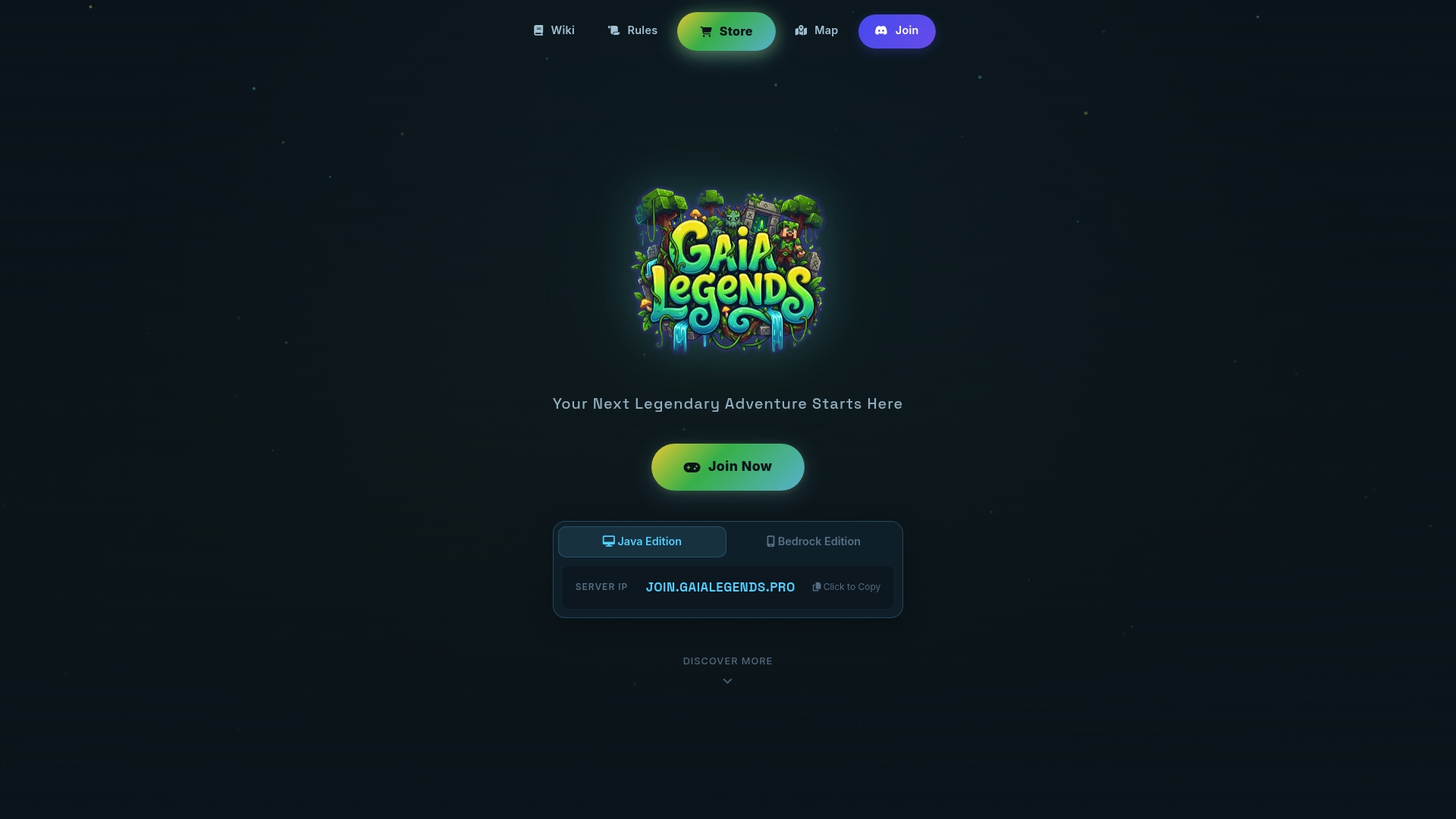
Progress through ranks by earning currency from hand-crafted quests and diverse jobs. Purchase exclusive gear with special effects unavailable in vanilla Minecraft. Participate in community events offering bonus rewards. The custom economy system at Gaia Legends creates structured progression while maintaining the creativity and freedom that make Minecraft compelling. Connect today and start building your economic empire in a secure, engaged multiplayer community.
Frequently asked questions about Minecraft in-game currency
What is Minecraft in-game currency?
In-game currency is a virtual medium of exchange created by multiplayer server plugins, not included in Minecraft's base game. Each server implements custom currencies with unique names and functions to facilitate trading, progression, and community engagement. Currency exists only within the specific server where you earned it.
How do I earn currency on Minecraft servers?
You earn currency through quests, jobs, trading with other players, voting rewards, and participating in server events. Quests provide structured payouts for completing goals while jobs pay for routine activities like mining or farming. Most servers offer multiple earning methods so you can choose activities matching your play style.
Are Minecraft currencies the same on every server?
No, each multiplayer server uses completely unique currency systems. Currency names, earning rates, spending options, and economy rules vary dramatically between communities. What you earn on one server has no value elsewhere because these are separate, closed economies tailored to each server's specific goals and themes.
Can I use Minecraft in-game currency for real-world purchases?
Generally no. Virtual server currencies rarely convert to actual money and most communities prohibit real-world trading. These currencies have value only within their specific server economies. Attempting real-world trades often violates both server rules and Minecraft's terms of service, potentially resulting in bans.
How does currency help protect my builds from griefing?
Currency purchases land claims and protection systems that prevent unauthorized modifications to your builds. Economy-based anti-grief plugins require staking currency as collateral for good behavior, creating financial consequences for destructive actions. This integration reduces griefing incidents by up to 90% while maintaining open server access for new players.